
The Gear You Actually Need for Your First Group Hike in Recovery
The only hiking gear list you need for your first sober group hike. Boots, packs, layers, and essentials with links to buy. No fluff. Just what works.

Let us save you from the most common mistake people make before their first sober group hike: spending $800 at REI on a Tuesday night because the internet told you that you needed a GPS watch, trekking poles with cork grips, and a base layer made from the wool of a very specific New Zealand sheep.
You do not need any of that. Not yet. Maybe not ever.
What you need is a handful of hiking essentials for beginners that keep you safe, comfortable, and present on the trail. That last part matters more than any of us expected when we started doing this. Outdoor activities in recovery are not about the gear. The gear just removes the excuses between you and the trailhead.
Here is the real hiking gear list for your first group hike in recovery. No fluff, no filler, no $300 impulse buys.
Hiking Boots and Shoes: The One Thing Worth Spending On
This is the only category where we will tell you not to cut corners. Bad shoes on a rocky trail do not build character. They build blisters, twisted ankles, and a very persuasive argument for never hiking again.
You do not need a heavy leather mountaineering boot for a beginner group hike. You need a mid or low hiking shoe with decent tread and some ankle support. For most sober group hikes, you are on established trails, not scrambling up a cliff face.
Best Beginner Hiking Boots We Recommend
The Merrell Moab 3 Mid Waterproof is the gold standard for first time hikers. It runs around $130, it is comfortable right out of the box, and it handles just about anything a group day hike will throw at you. The traction is solid, the waterproofing works, and you will not need a two week break in period to feel good in them. Buy them at REI, Merrell.com, or Amazon.
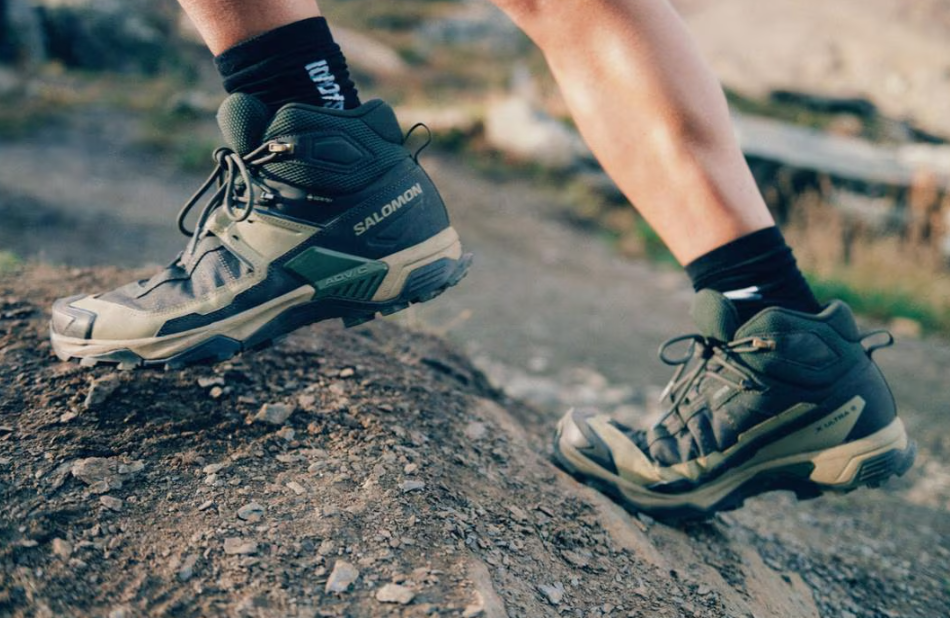
If you want something lighter and faster, the Salomon X Ultra 5 Mid GTX (around $190) feels more like a trail runner with real ankle support. It grips incredibly well on wet rock and loose gravel and has almost no break in time. Available at REI, Salomon.com, or Backcountry.com.
On a tight budget? The Columbia Newton Ridge Plus II comes in around $80 and handles moderate trails without complaint. It is not fancy, but it works. Find it at Columbia.com, REI, or Amazon.
The rule: If you can wiggle your toes, your heel does not slip, and the tread has real lugs on it, you are good to go.
Hiking Socks: Quietly the Most Important Thing in Your Pack
Cotton socks on a hike are an act of self sabotage. Cotton holds moisture, creates friction, and delivers blisters with the reliability of a federal holiday. Invest in one good pair of merino wool or synthetic hiking socks and your feet will forgive you for years of mistreatment.
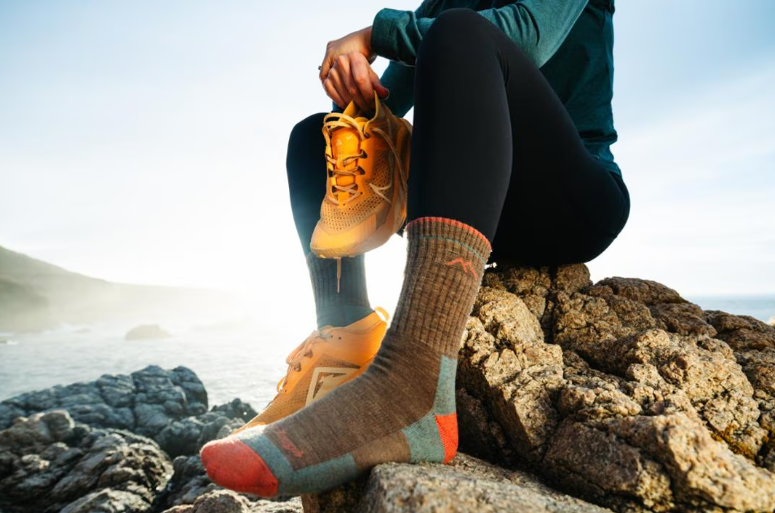
Darn Tough Micro Crew Cushion Hiking Socks are the answer to a question you did not know you had. They run about $25 to $29, they come with a lifetime guarantee, and they will outlast most of your relationships. Buy them at Darntough.com, REI, or Amazon.
If Darn Tough is out of your range, Smartwool Hike Classic Edition Light Cushion Crew Socks (around $22) are also excellent. Available at Smartwool.com, REI, or Amazon.
Daypack for Hiking: Keep It Simple
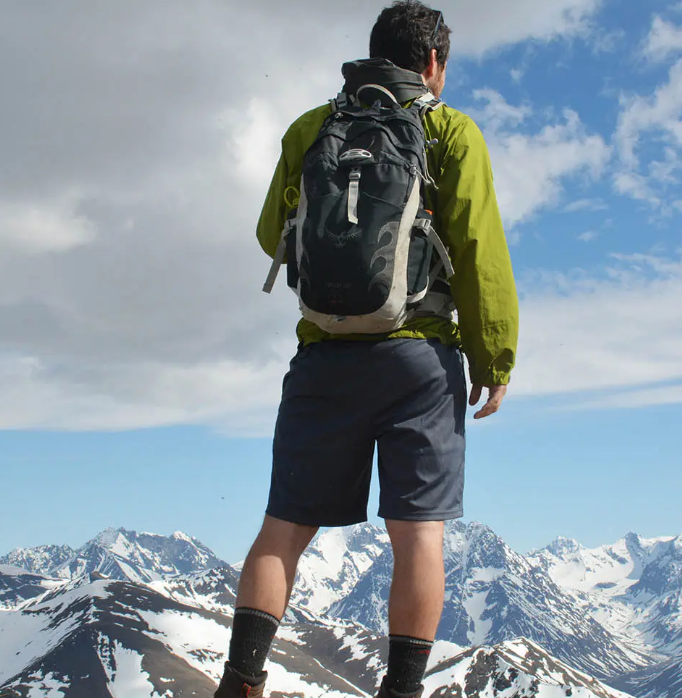
You need something to carry water, a layer, sunscreen, and snacks. That is it. You do not need a 40 liter expedition pack for a sober group day hike. Something between 18 and 25 liters is the sweet spot for beginner hiking gear.
The REI Co-op Flash 22 ($60) is lightweight, simple, and comes with a removable sit pad that doubles as a back panel. It weighs 14 ounces. It is one of the best values in outdoor gear, period. Get it at REI.
If you want a step up in comfort with a real hip belt and better ventilation, the Osprey Talon 22 (around $160) is the most popular hiking daypack on the market for good reason. It fits a wide range of body types and has a pocket for everything without being complicated. Buy it at REI, Osprey.com, or Backcountry.com.
On a real budget? Grab the Decathlon Quechua MH100 20L for around $15 to $20. It is shockingly functional for the price. Available at Decathlon.com.
Water and Hydration: More Than You Think
The standard recommendation is half a liter per hour of hiking. For Colorado altitude and dry air, bump that up. Bring at least two liters for a half day group hike.
A Nalgene Wide Mouth 32 oz bottle ($8 to $14) is indestructible, easy to fill, and fits in most pack pockets. You can find them everywhere: REI, Nalgene.com, or Amazon.
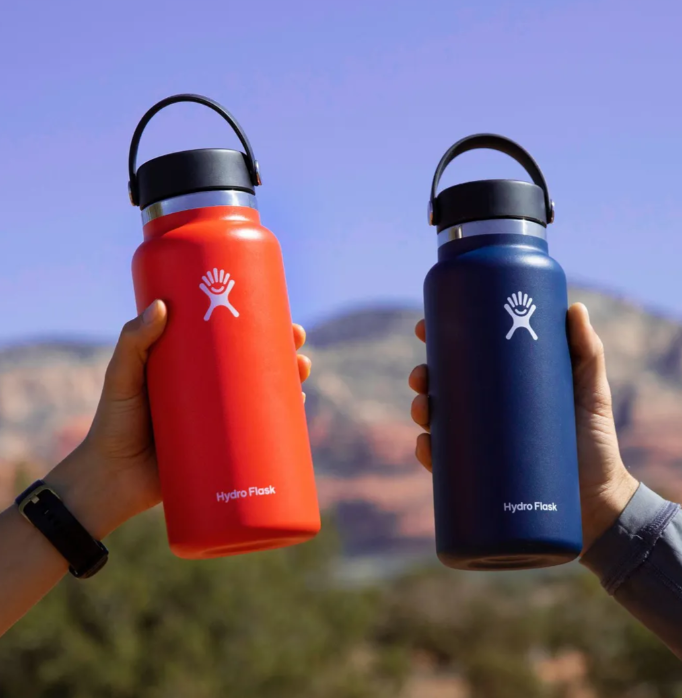
If you prefer insulated, the Hydro Flask 32 oz Wide Mouth (around $45) keeps water cold for hours even on exposed trails. Available at Hydroflask.com, REI, or Amazon.
Pro tip for hiking at altitude: Throw an electrolyte packet in your water. Altitude and exertion deplete your body fast. We like Liquid IV (available at most grocery stores, Target, or Amazon) or LMNT (DrinkLMNT.com or Amazon). Zero sugar options are available for both.
Hiking Layers: The Colorado Weather Cheat Code
Mountain weather changes fast. A sunny 65 degree trailhead can become a windy 40 degree ridgeline in less than an hour. Whether you are hiking in Denver, the Front Range, or deeper into the Rockies, the layering system is simple: a moisture wicking base, an insulating mid layer, and a wind and rain shell on top.
Base Layer
Any synthetic or merino wool t shirt works. Skip cotton. A basic REI Co-op Active Pursuits T-Shirt (around $25) does the job well. REI.
Mid Layer
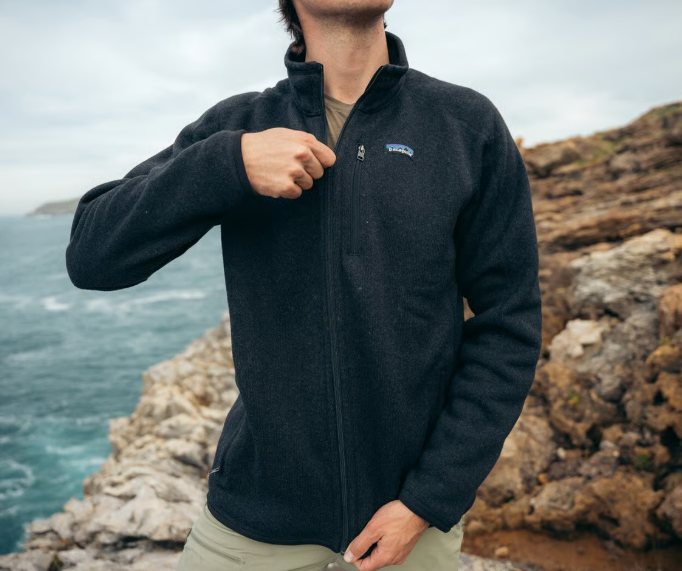
A simple fleece or lightweight puffy jacket. The Patagonia Better Sweater (around $139) is a classic that works on the trail and off it, or save money with the REI Co-op Trailmade Fleece Jacket (around $60). Both available at REI. For a packable puffy option, the REI Co-op 650 Down Jacket (around $100) compresses to the size of a softball. REI.
Rain Shell
This is non negotiable in the mountains. Afternoon thunderstorms in Colorado are not a maybe, they are a when. The REI Co-op Rainier Rain Jacket (around $80) is affordable and reliable. REI. If you want to invest in something you will use for years, the Patagonia Torrentshell 3L (around $179) is a workhorse. Patagonia.com or REI.
Sun Protection at Altitude: Not Optional
UV exposure increases roughly 10% with every 3,000 feet of elevation gain. At 10,000 feet, you are getting significantly more radiation than at sea level, even on an overcast day. Sun protection is one of the most overlooked hiking essentials for beginners.
Bring SPF 50 sunscreen (we like sport formulas from Supergoop or Sun Bum, available at Target, Amazon, or your local drugstore), sunglasses with UV protection, and a hat with a brim. A basic trucker cap works. A wide brim sun hat works better.
Trail Snacks: Your Secret Weapon
This is not about nutrition science. This is about having something in your pocket that keeps your blood sugar from cratering on mile three, which is when the trail stops being fun and starts being a personality test.
Trail mix, energy bars (RXBAR, KIND, or Clif), dried fruit, jerky, or a peanut butter sandwich. Nothing complicated. Bring more than you think you will eat, because someone on the group hike will have forgotten theirs and sharing food on a trail is one of the best parts of sober community anyway.
Things You Probably Already Own
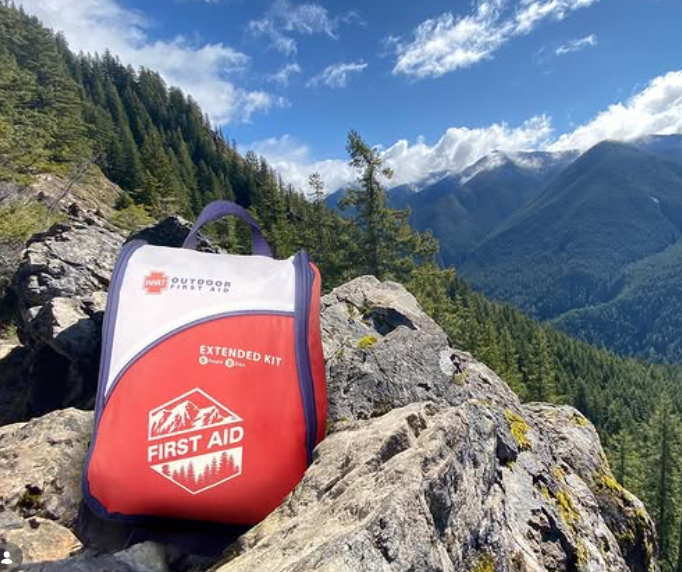
A few more essentials that do not require a shopping trip: your phone (charged), a small first aid kit (or at least some bandaids and ibuprofen), lip balm with SPF, and a positive attitude about being slower than you expected. Everyone is slower than they expected. That is fine. The trail is not going anywhere.
What You Do Not Need for Your First Hike
Trekking poles (not for your first hike). A GPS device (your phone has maps). Gaiters. A hydration bladder. A headlamp (unless you are hiking before dawn or after dark, which you should not be on your first group outing). Technical climbing gear. Anything with the word "ultralight" in the product name and a price tag over $200.
You will figure out what you want as you go. The gear evolves as the habit does. But the habit starts with showing up, and showing up starts with knowing you have the basics covered.
Find Your First Sober Group Hike
The most important piece of gear for your first group hike in recovery is you. Everything else is just support equipment.
If you are ready to take that first step, find your next group hike at soberoutdoors.org. We host sober events in Denver and across the country, from beginner friendly trail walks to weekend camping trips. No experience required. No gear judgment. Just community on the trail.
Curious about what it is like to hike with us? Check out our community events page or become a Sober Outdoors community member to connect with other sober and sober curious hikers near you.
Adventure is waiting.
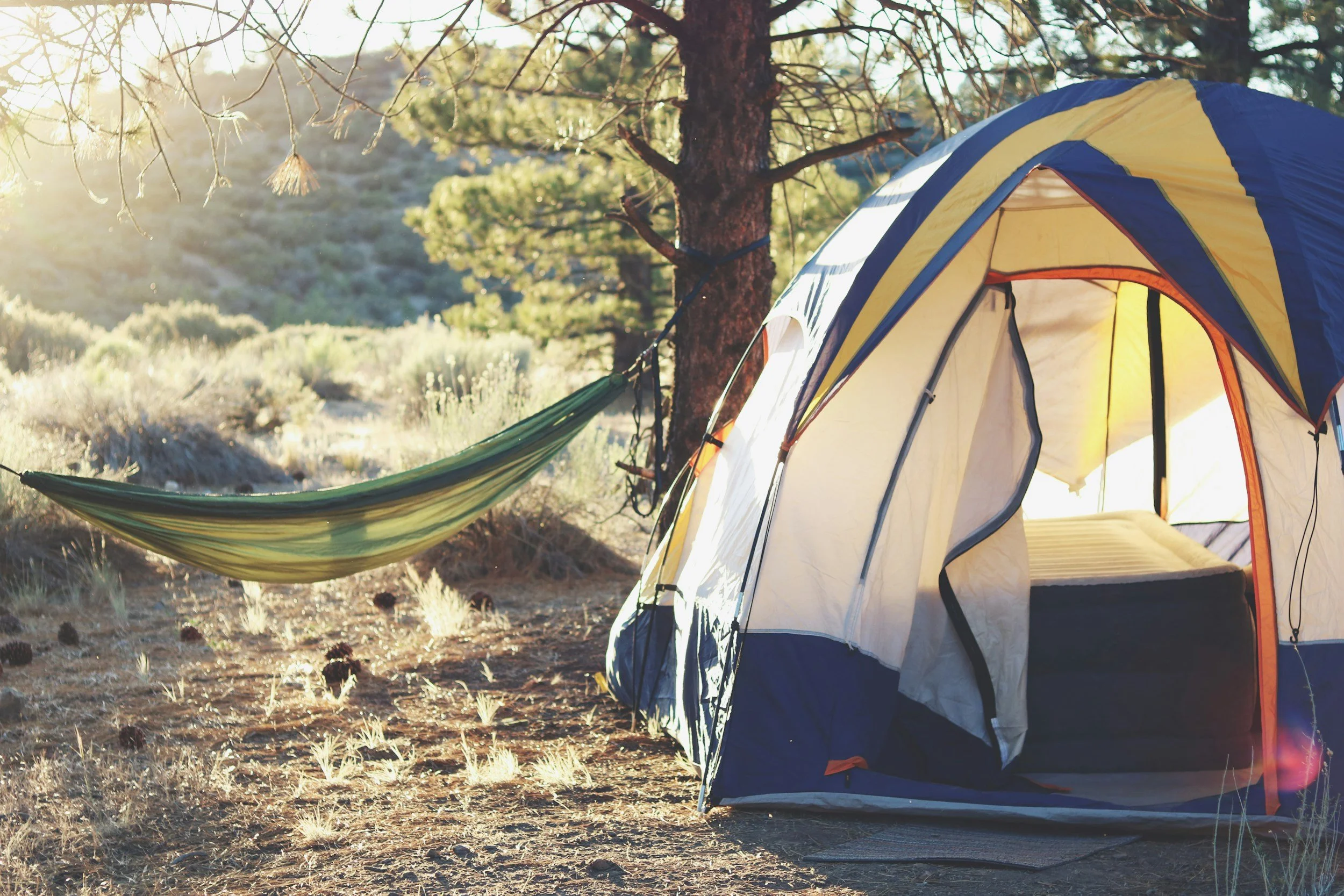
Sober Outdoors is a 501(c)(3) nonprofit building outdoor community for people in recovery. With chapters in Denver, Portland, San Diego, Boston, and Austin, we connect sober and sober curious individuals through free and low cost outdoor experiences. Learn more and join a chapter at soberoutdoors.org.
Frequently Asked Questions
What gear do I need for my first group hike?
For a beginner group day hike, you need five things: sturdy hiking shoes or boots with good tread, a small daypack (18 to 25 liters), at least two liters of water, weather appropriate layers including a rain shell, and sun protection. Snacks and a basic first aid kit round out the list. You do not need trekking poles, a GPS, or any specialized technical gear for your first outing.
What should I wear on a sober group hike?
Wear moisture wicking synthetic or merino wool fabrics. Avoid cotton, which holds sweat and causes chafing. Dress in layers: a breathable base layer, an insulating mid layer like a fleece or lightweight puffy, and a packable rain jacket. Sturdy hiking boots or trail shoes with proper socks complete the outfit. Bring a hat and sunglasses for sun protection, especially at higher elevations.
How much does beginner hiking gear cost?
You can get started with quality beginner hiking gear for under $250 total. Budget boots like the Columbia Newton Ridge ($80), a Decathlon daypack ($15 to $20), a Nalgene water bottle ($8 to $14), basic layers you may already own, and sunscreen. If you invest more in boots (the Merrell Moab 3 at $130) and a better pack (REI Flash 22 at $60), expect to spend closer to $300 to $400 for a full setup that lasts for years.
Can I join a sober group hike if I have never hiked before?
Absolutely. Sober Outdoors hosts beginner friendly hikes designed for people who are new to the trail. No prior experience is needed. Our community leaders choose accessible routes, set a comfortable pace, and make sure no one gets left behind. All you need is a willingness to show up. Visit soberoutdoors.org/events to browse upcoming group hikes near you.
What is Sober Outdoors?
Sober Outdoors is a 501(c)(3) nonprofit that builds outdoor community for people in recovery. Founded in Denver, Colorado, Sober Outdoors hosts free and low cost sober events including group hikes, camping trips, paddle boarding, snowshoeing, and more. With active chapters in Denver, Portland, San Diego, Boston, and Austin, the organization connects sober and sober curious individuals through shared outdoor experiences. Learn more at soberoutdoors.org.
